10 hr
South Coast Waterfalls, Black Sand Beach & Glacier Day Trip
- Expert local guide
- Small group
- Skip-the-line access
- Free cancellation
Ice Cave Tour Iceland from Reykjavik — Crystal Caves & Glacier Expeditions
Step beneath millennia-old ice, walk the glacier's sapphire chambers
Compare fares, pick the fit — all bookings are mobile-voucher and eligible for free cancellation where shown.
10 hr
7 hr
11 hr
| Experience | Duration | Rating | Skip-the-line | Guide | Small group | Free cancel. | Price | |
|---|---|---|---|---|---|---|---|---|
|
Guided Experience
Most popular
South Coast Waterfalls, Black Sand Beach & Glacier Day Trip
|
10 hr | ★ 4.8 | ✓ | ✓ | ✓ | ✓ | €115 | Book → |
|
Guided Experience
Golden Circle Day Tour with Kerid Crater from Reykjavik
|
7 hr | ★ 4.8 | ✓ | ✓ | ✓ | ✓ | €79 | Book → |
|
Guided Experience
South Coast Adventure: Glacier Trek, Waterfalls & Black Sand Beach
|
11 hr | ★ 4.8 | ✓ | ✓ | ✓ | ✓ | €167 | Book → |
Worth it for glacier access seekers
An ice cave tour iceland from reykjavik delivers a rare natural experience—glacier tunnels sculpted by meltwater, accessible only with a guide and specialized equipment. Most packages bundle the cave visit with South Coast landmarks: waterfalls, black sand beaches, and the glacier itself. You'll spend 10–14 hours round-trip, with 1–2 hours inside the ice formations. The Katla Ice Cave runs year-round beneath Mýrdalsjökull; crystal caves in Vatnajökull National Park operate winter only. Value hinges on bundling—standalone cave entry is impractical from the capital without a vehicle and certified guide. Tours from Reykjavik combine transportation, safety gear, and South Coast sightseeing in one package. Skippable if you've already visited Jökulsárlón or prioritize urban attractions over wilderness, but hard to replicate independently.
Bottom line: Book an ice cave tour from Reykjavik if glacier exploration ranks high on your list and you value guided access over independent logistics.
Vatnajökull provides expansive, high-altitude glacial experiences, while Katla offers accessible volcanic-ash formations; visitors choose the former for scale and the latter for proximity when booking an ice cave tour iceland from reykjavik.
|
Top pick Vatnajökull Glacier |
Katla Ice Cave | |
|---|---|---|
| Location | Öræfi, Southeast Iceland | |
| Primary Feature | Blue crystal glacier ice | |
| Accessibility | Moderate; requires trekking | |
| Travel Duration from Reykjavik | 4.5–5.5 hours | |
| Best Season | Winter (Nov–Mar) | |
| Tour Type | Ice cave tour iceland from reykjavik tours | |
| See tickets & prices |
Verdict: Select Vatnajökull for deep-freeze alpine aesthetics, or opt for Katla to minimize travel time when securing your ice cave tour iceland from reykjavik tickets for a shorter ice cave tour iceland from reykjavik tour.
Hand-picked experiences loved by thousands of travelers
12 hours
Free Cancellation
Journey to a glacier ice cave, witness dramatic waterfalls, and ride a Super Jeep across volcanic terrain
10 hours
Free Cancellation
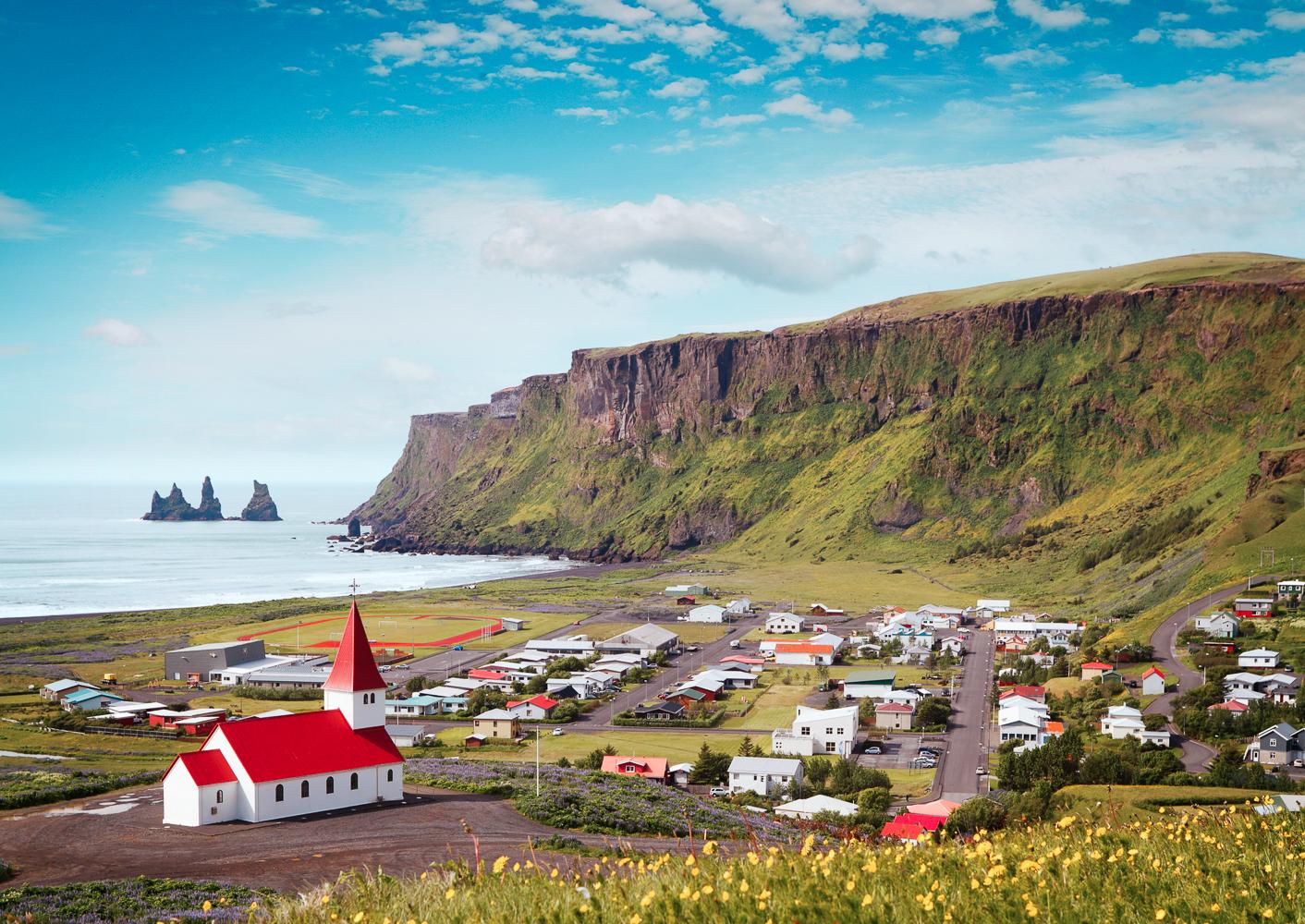
Explore Iceland's dramatic southern coastline, from cascading falls to jet-black beaches
11 hours
Free Cancellation
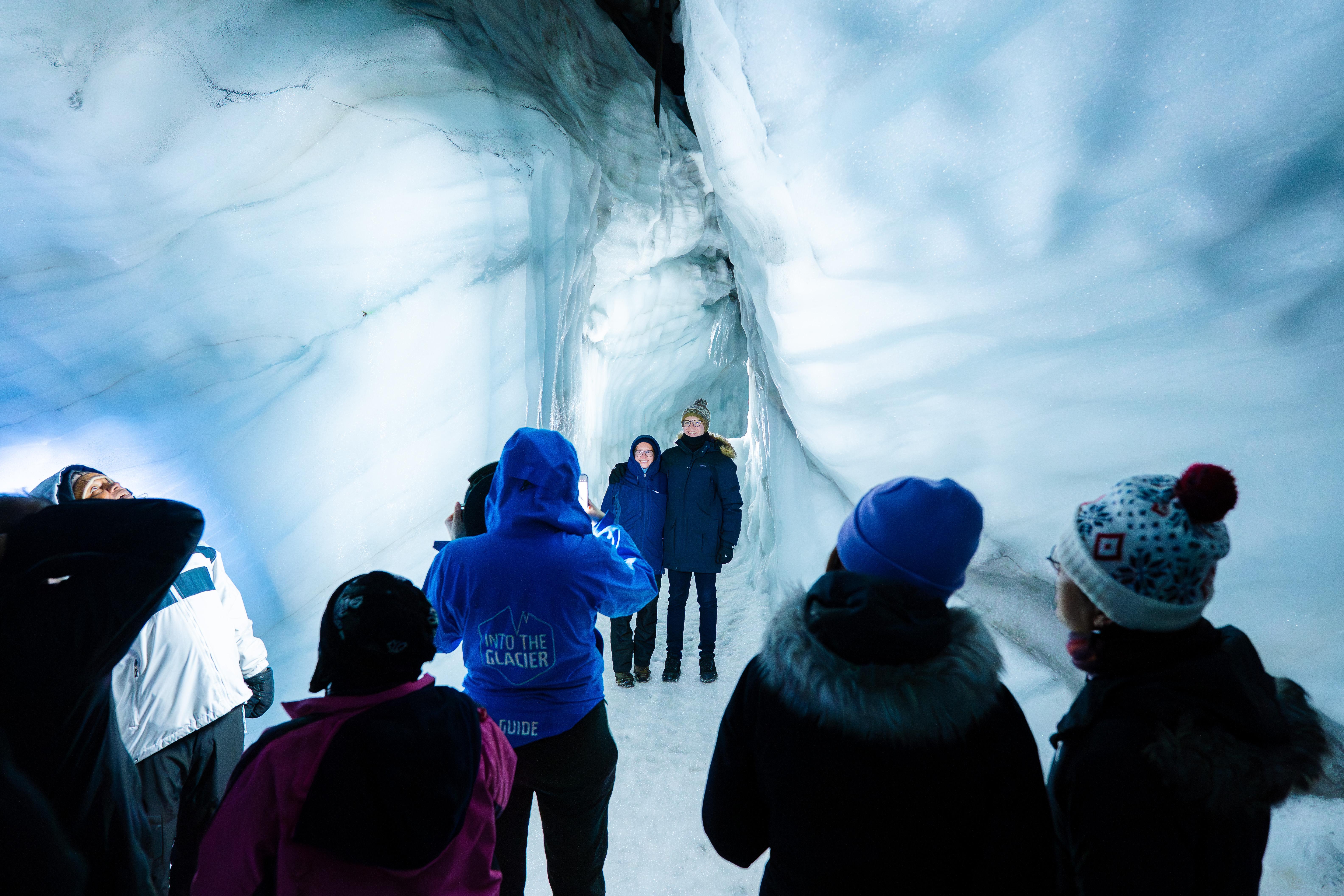
Journey into Iceland's second-largest glacier and explore a man-made ice tunnel illuminated by stunning blue hues.
4 hours
Free Cancellation
Journey deep inside Iceland's second-largest glacier aboard a custom 8-wheel arctic truck
12 hours
Free Cancellation
Full-day journey to Iceland's dramatic southern coastline with cascading falls and volcanic beaches
2 days
Free Cancellation
Two-day journey through Iceland's dramatic coastline with glacier hiking, iconic cascades, and volcanic beaches
3 days
Free Cancellation
Journey through Iceland's most iconic landscapes on this three-day guided tour with glacier exploration
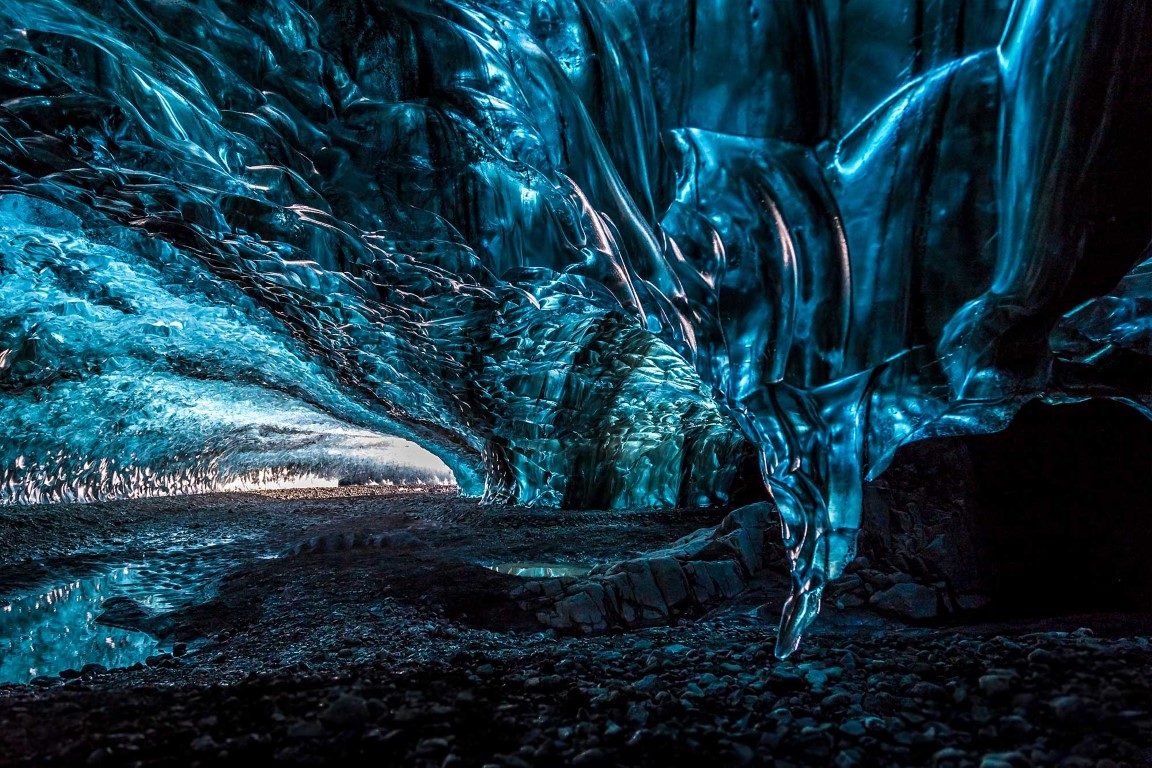
A stunning naturally formed chamber known for its vibrant blue hues and clarity. Access is limited to winter months when glacier temperatures remain low and stable.
An iconic glacier tongue famous for its deep blue ice and dramatic crevasses. It serves as a popular starting point for guided glacier treks and ice explorations.
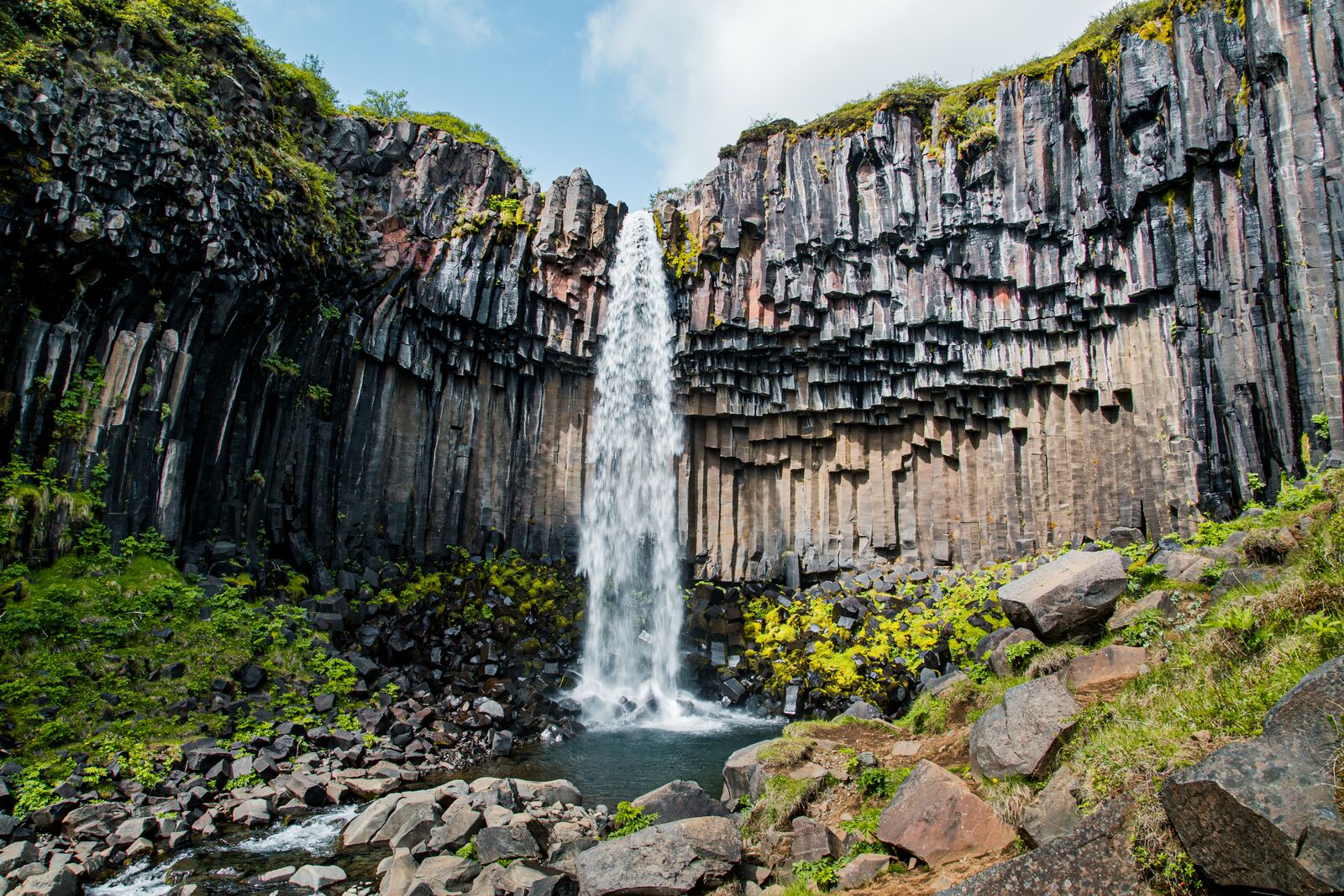
A picturesque waterfall surrounded by hexagonal basalt columns that resemble organ pipes. This landmark is accessible via a well-maintained trail from the visitor center.
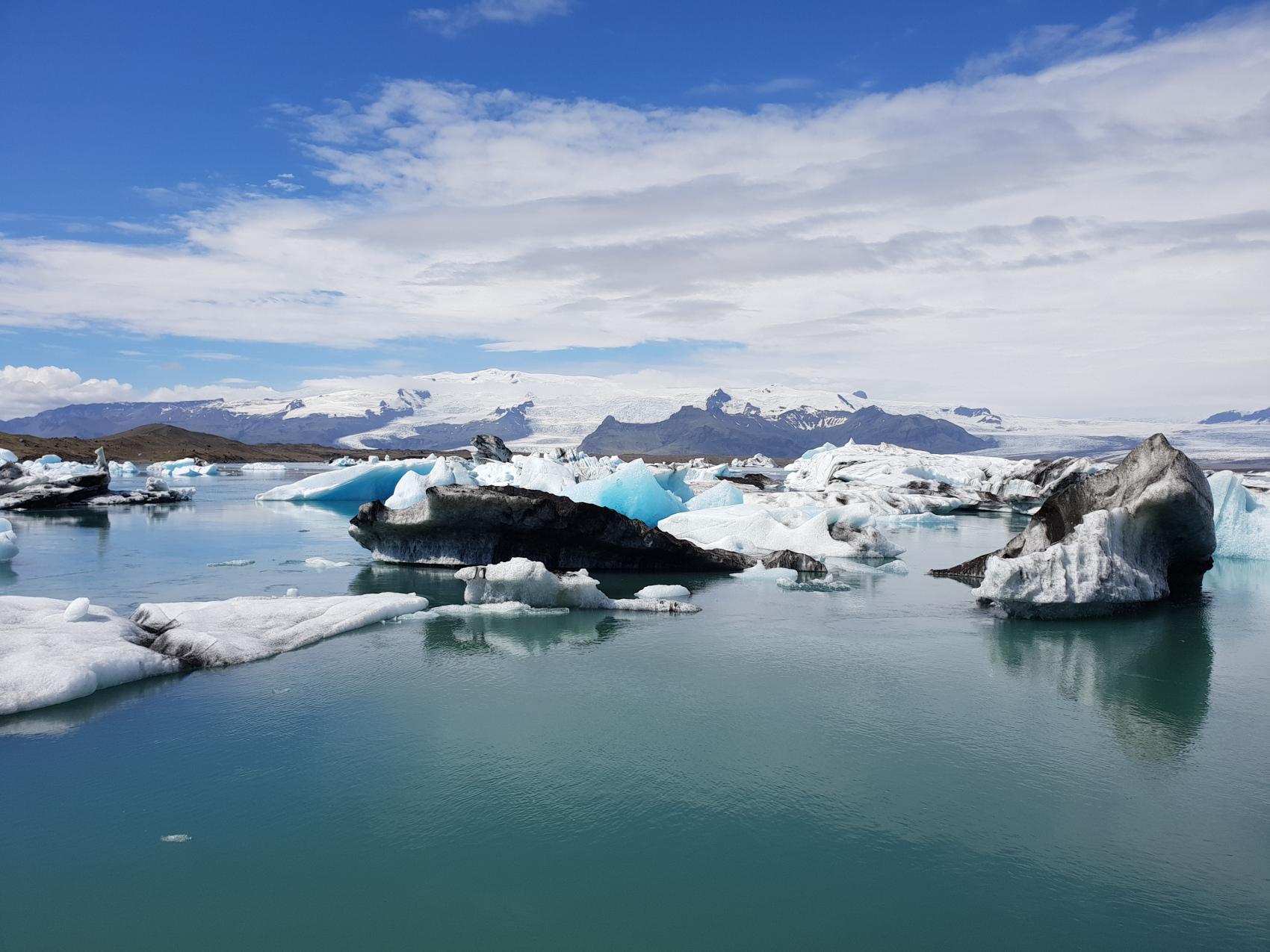
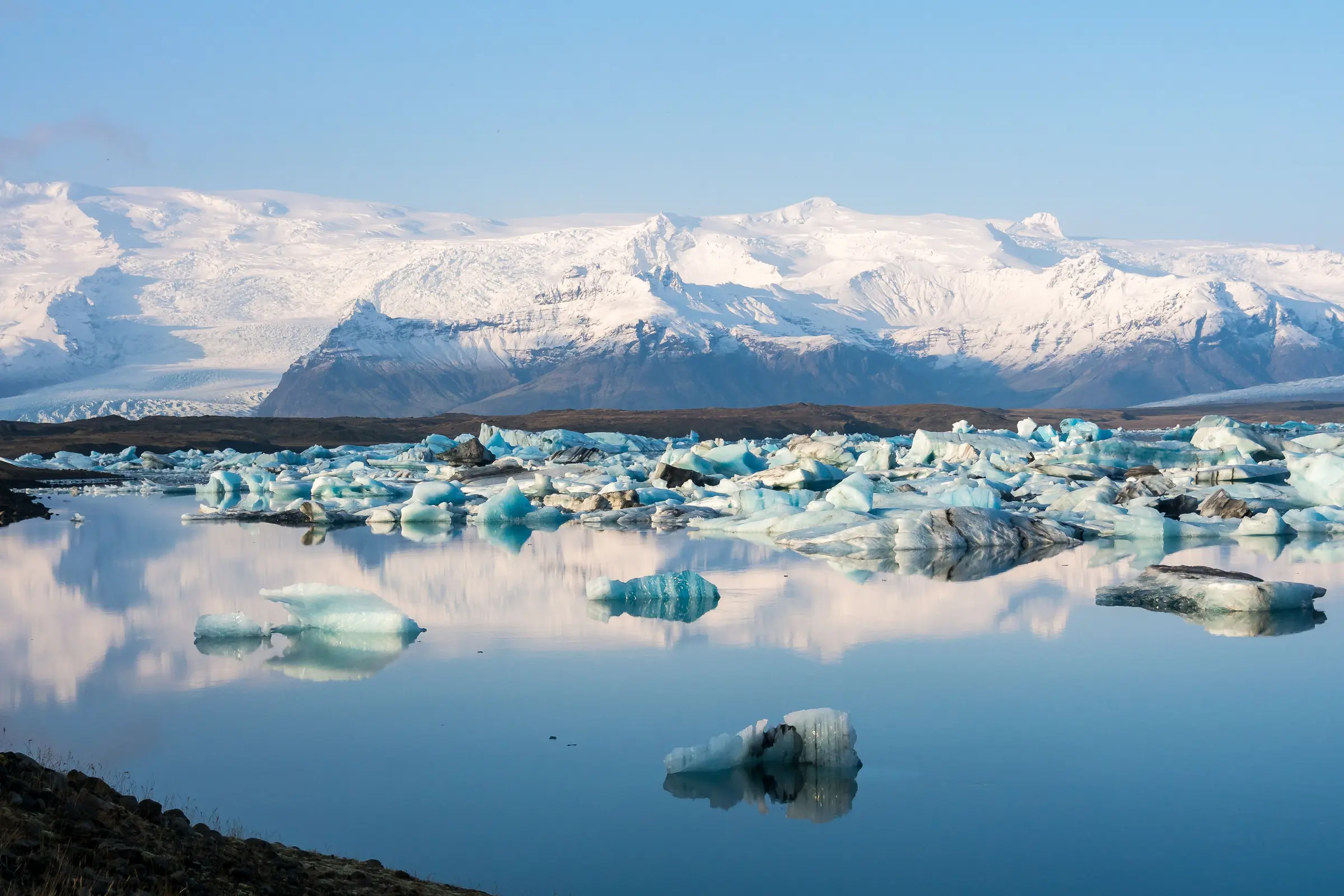
A mesmerizing lagoon where massive icebergs break off from the glacier and float toward the sea. It is a critical stop for those heading toward local ice cave tours.
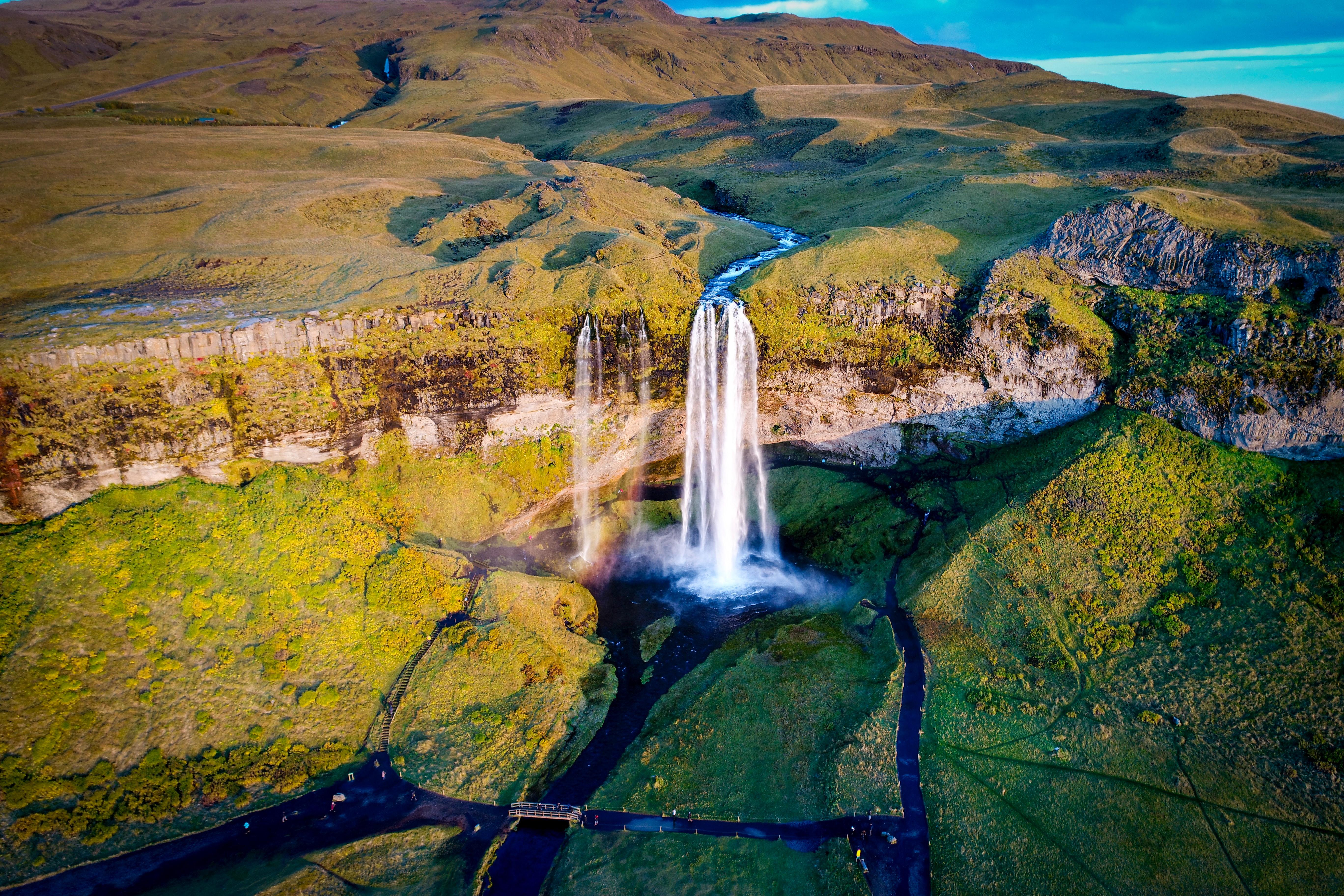
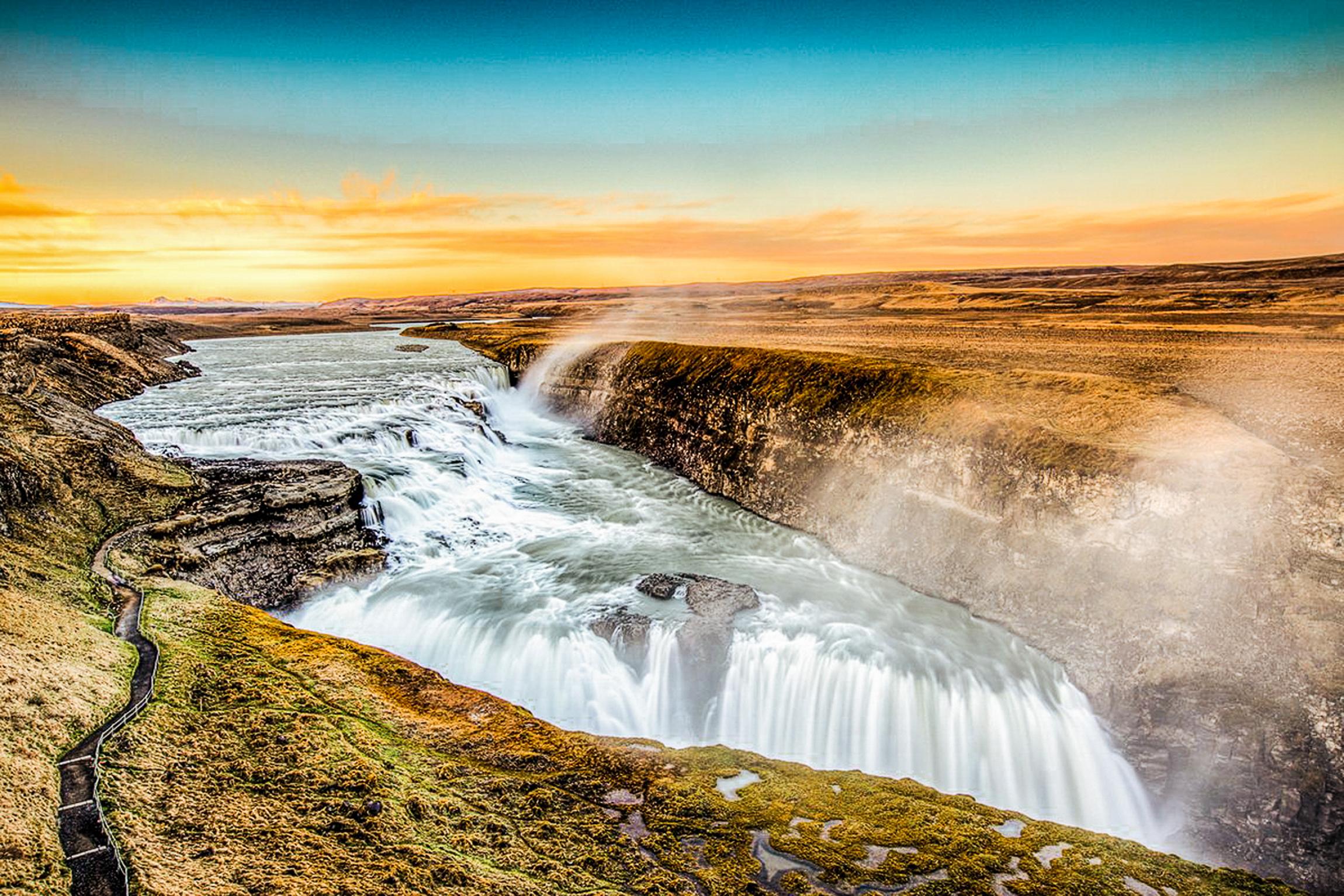
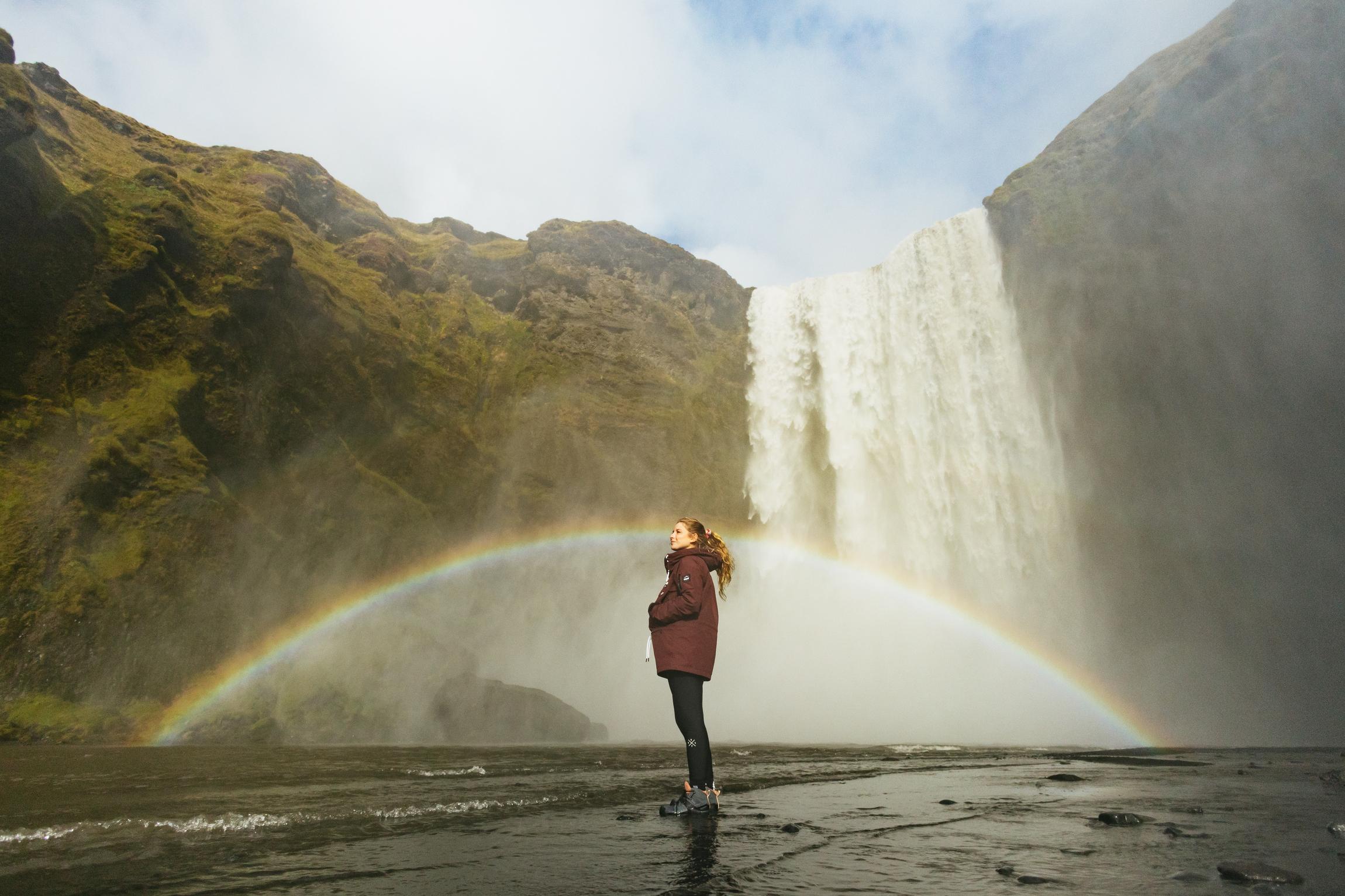
You leave Reykjavík before dawn, crossing the coastal plain as the first light catches steam vents along Hellisheiði. Two hours east, the road drops to Seljalandsfoss, where you walk the spray-slicked path behind the 60-metre curtain of water before the tour buses arrive.
At Skógafoss, you climb 527 steps to the upper platform and watch the Skógá River plunge over the cliff edge, mist rising in columns against black basalt.
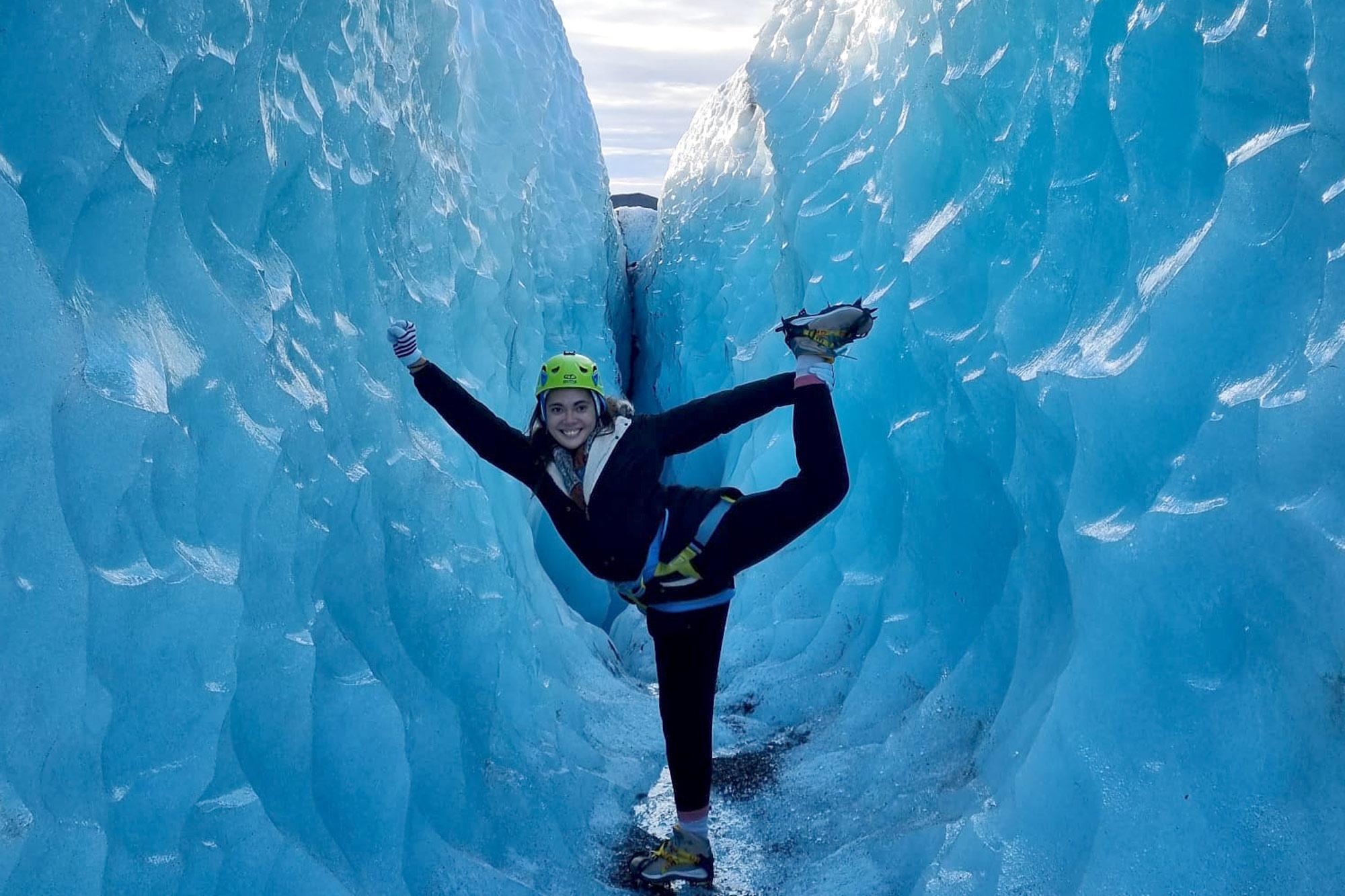
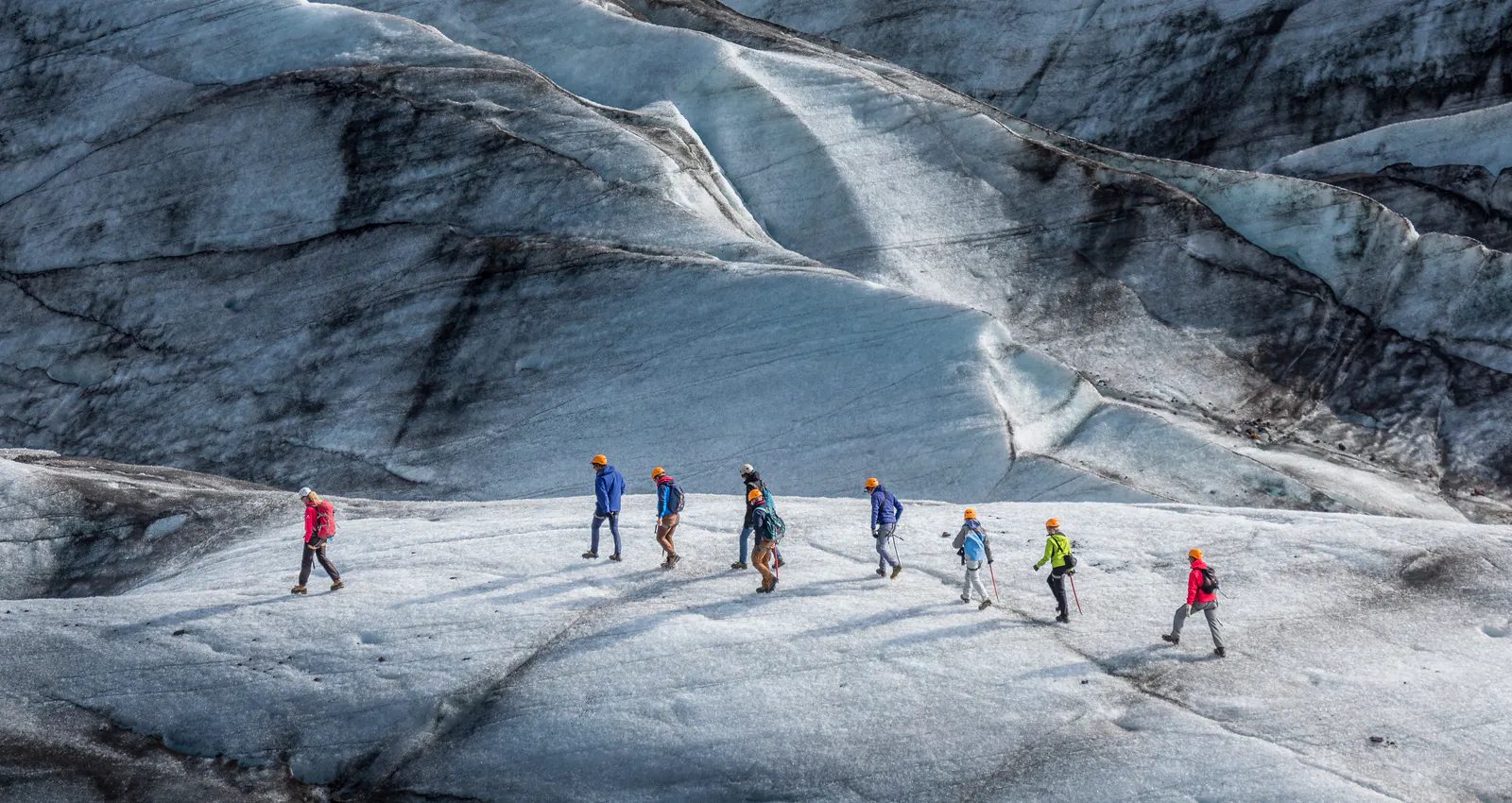
Past Vík, the landscape flattens into Mýrdalssandur, a lunar expanse of volcanic gravel where nothing grows. Your guide points to the white dome of Mýrdalsjökull on the northern horizon, explaining how the 1918 Katla eruption buried farms under metres of ash. You turn north onto a gravel track and transfer to a modified super-jeep with low-pressure tires for the glacier approach. At the ice margin, you strap on crampons and helmet, then descend a rope-secured entrance into blue silence.
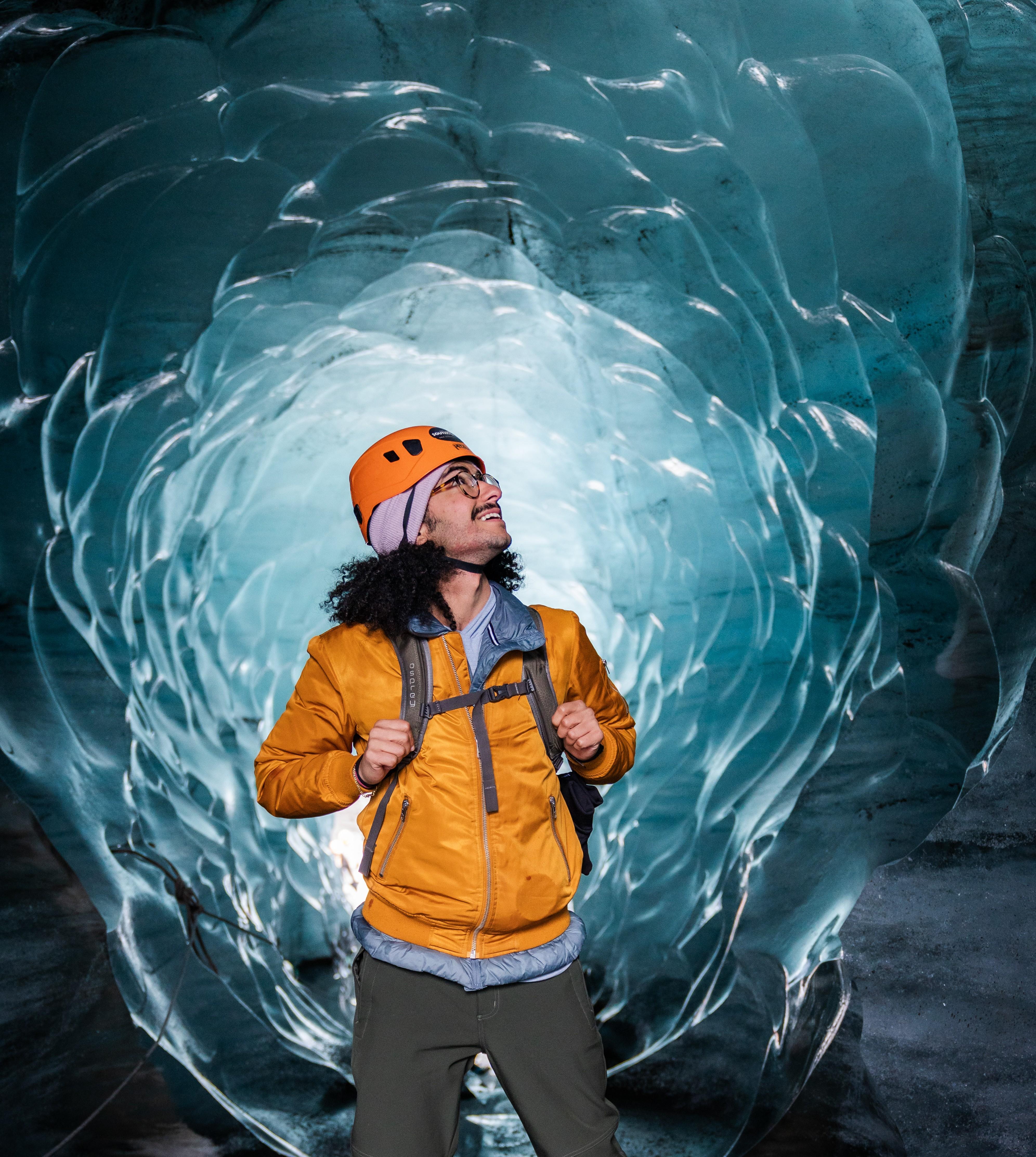
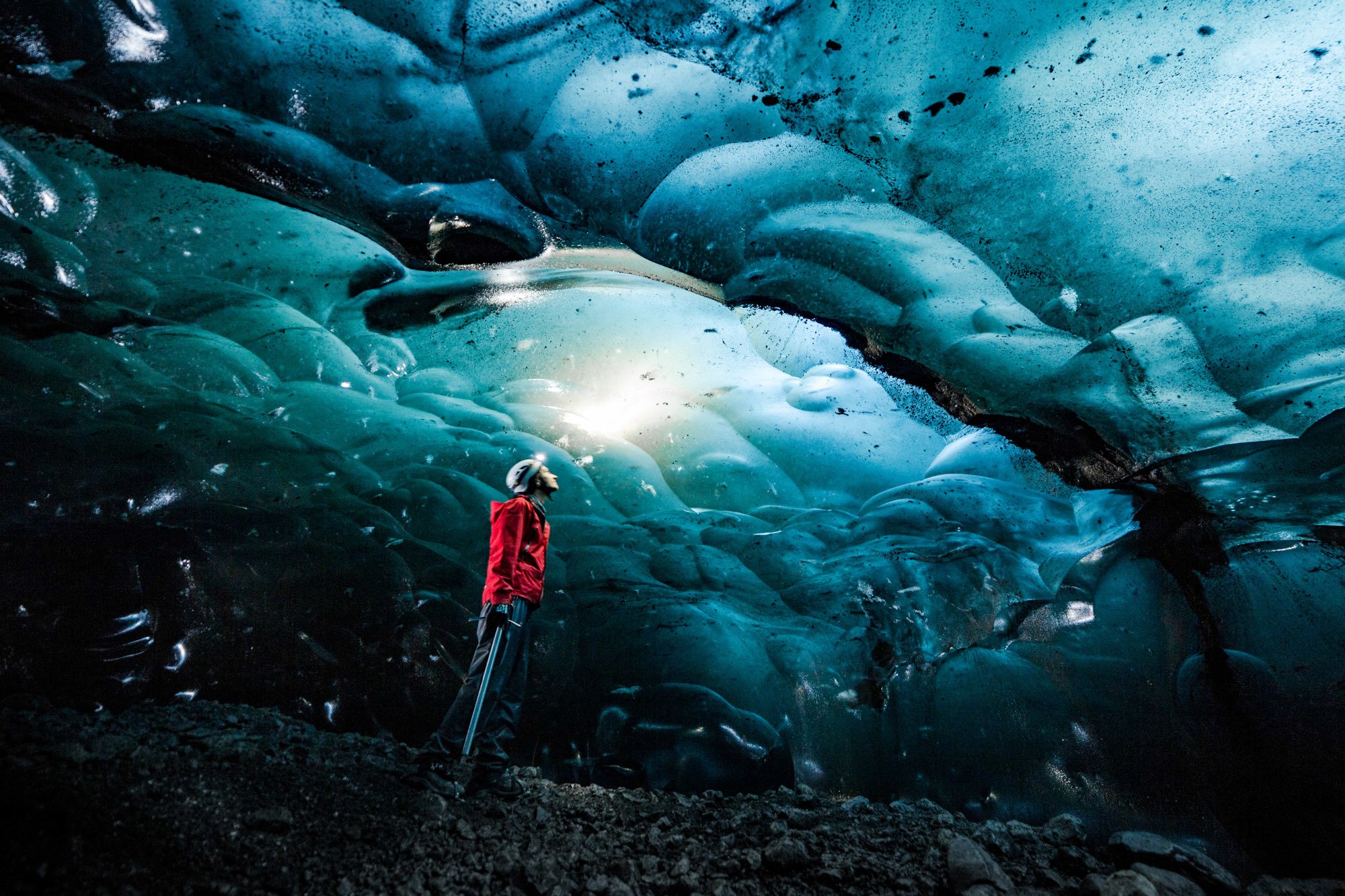
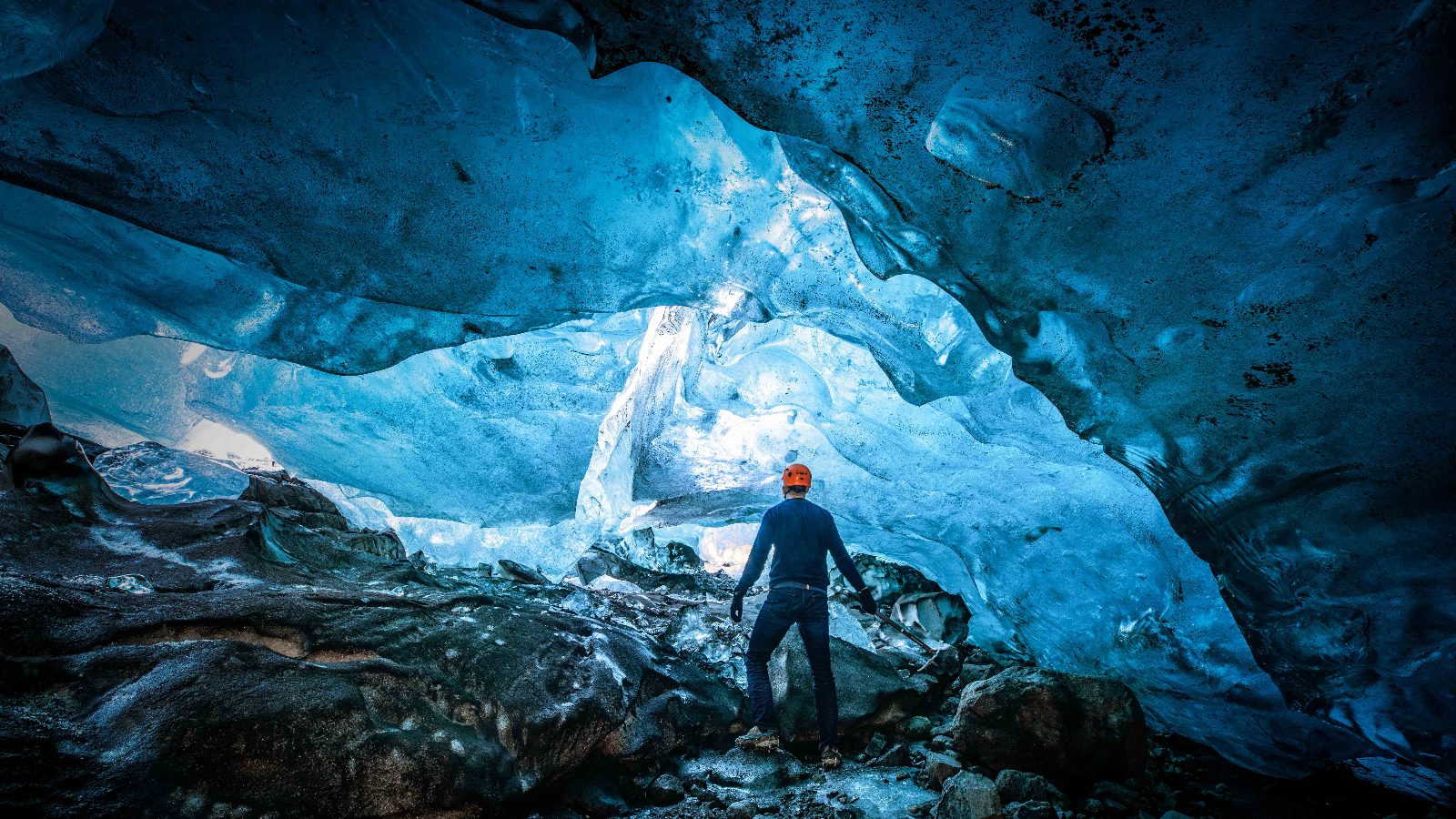
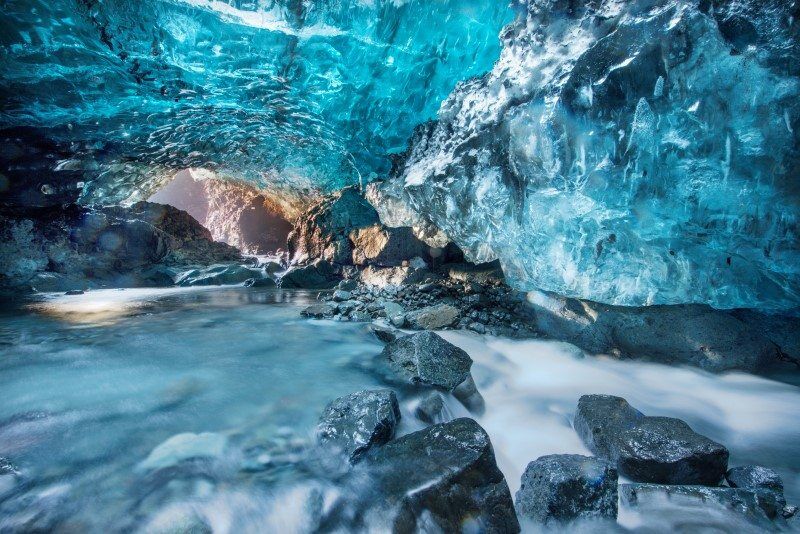
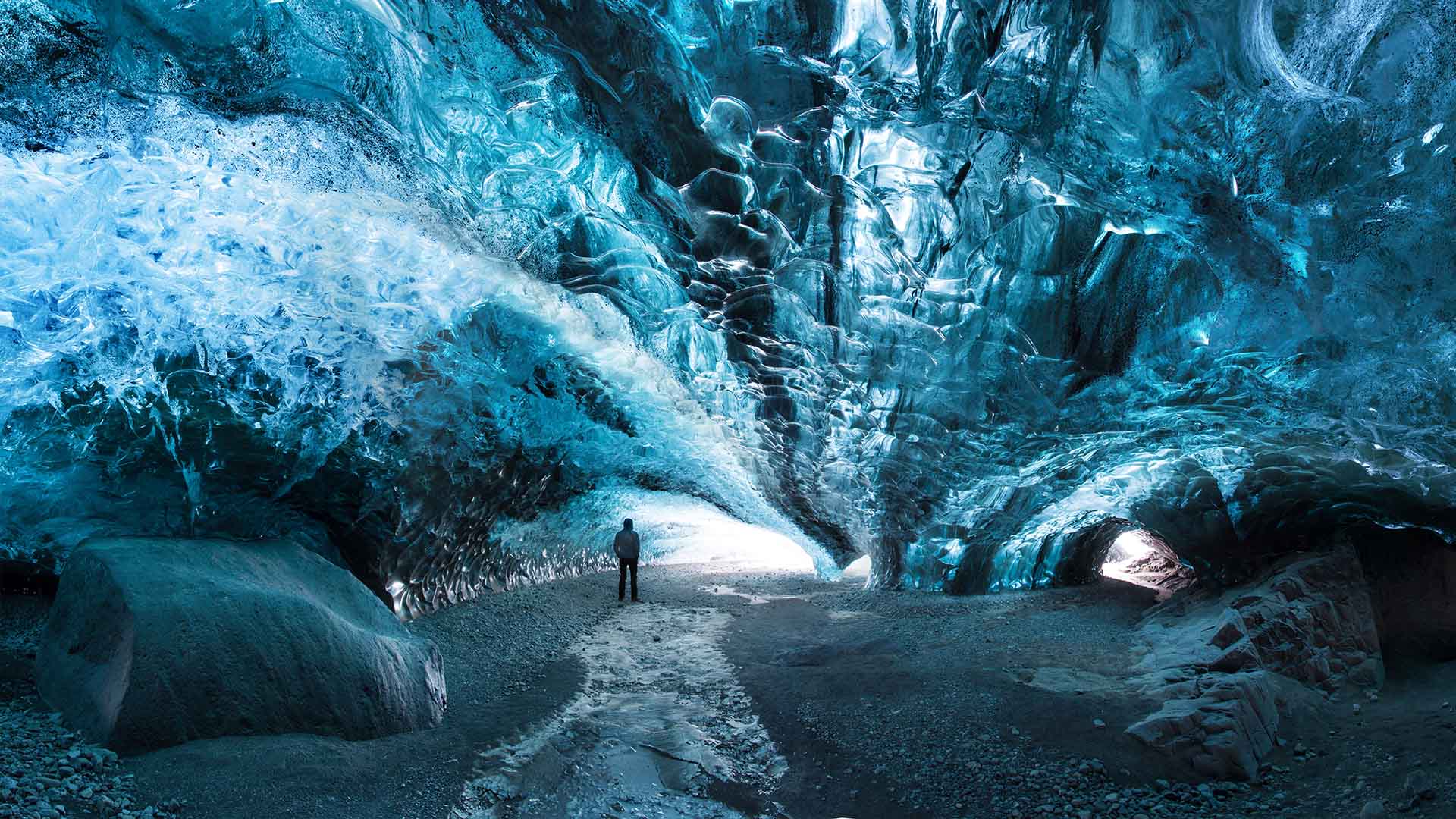
Inside, the cave's ceiling arches four metres overhead, ribbed with annual ice layers. Your guide's headlamp beam penetrates two metres into the walls, revealing bubbles trapped during medieval snowfalls. You photograph the sapphire gradient where compressed ice meets younger surface layers, then follow the tunnel 40 metres to a chamber where ash bands from the 1362 Öræfajökull eruption stripe the walls in charcoal. The temperature holds at −2°C; meltwater trickles beneath your boots. Twenty minutes later, you emerge onto the glacier surface, blinking in sudden daylight, and return to the jeep for the descent.
All the details about your upcoming adventure in one place
Vatnajökull Glacier conceals more than 8,100 square kilometres of ice beneath its surface — enough frozen water to cover the entire island of Puerto Rico two metres deep.
The ice cap, Europe's largest by volume, births natural blue caverns each autumn when meltwater tunnels carved during summer freeze into cathedral-scale chambers. These ephemeral structures, some reaching 30 metres in height, reveal ice compressed over centuries into bands of cobalt, turquoise, and midnight black where volcanic ash settled between snowfalls.
The phenomenon draws geologists and glaciologists to southeast Iceland year-round, but the public cave season runs strictly November through March, when temperatures stabilise tunnel walls enough for guided entry. Vatnajökull's outlet glaciers — Svínafellsjökull, Falljökull, Breiðamerkurjökull — each produce distinct cave systems shaped by subglacial topography and volcanic heat. The Katla ice cave, formed within Mýrdalsjökull glacier 160 kilometres south, operates year-round due to geothermal venting from the active Katla caldera, though its walls carry thick ash striations rather than the crystalline blue of Vatnajökull's winter formations.
Access from Reykjavík requires crossing the Hellisheiði plateau and the black deserts of Mýrdalssandur or Skeiðarársandur — glacial outwash plains deposited by jökulhlaups, catastrophic floods triggered when subglacial volcanoes melt ice caps from below. The 1996 Gjálp eruption beneath Vatnajökull released three cubic kilometres of meltwater in 48 hours, destroying sections of the Ring Road and altering the coastline. Today's ice cave tour Iceland from Reykjavik itineraries cross rebuilt bridges and stop at Skógafoss and Seljalandsfoss waterfalls fed by the same glacial melt, while the final approach to the ice traverses terrain reshaped by forces that emptied lakes overnight.
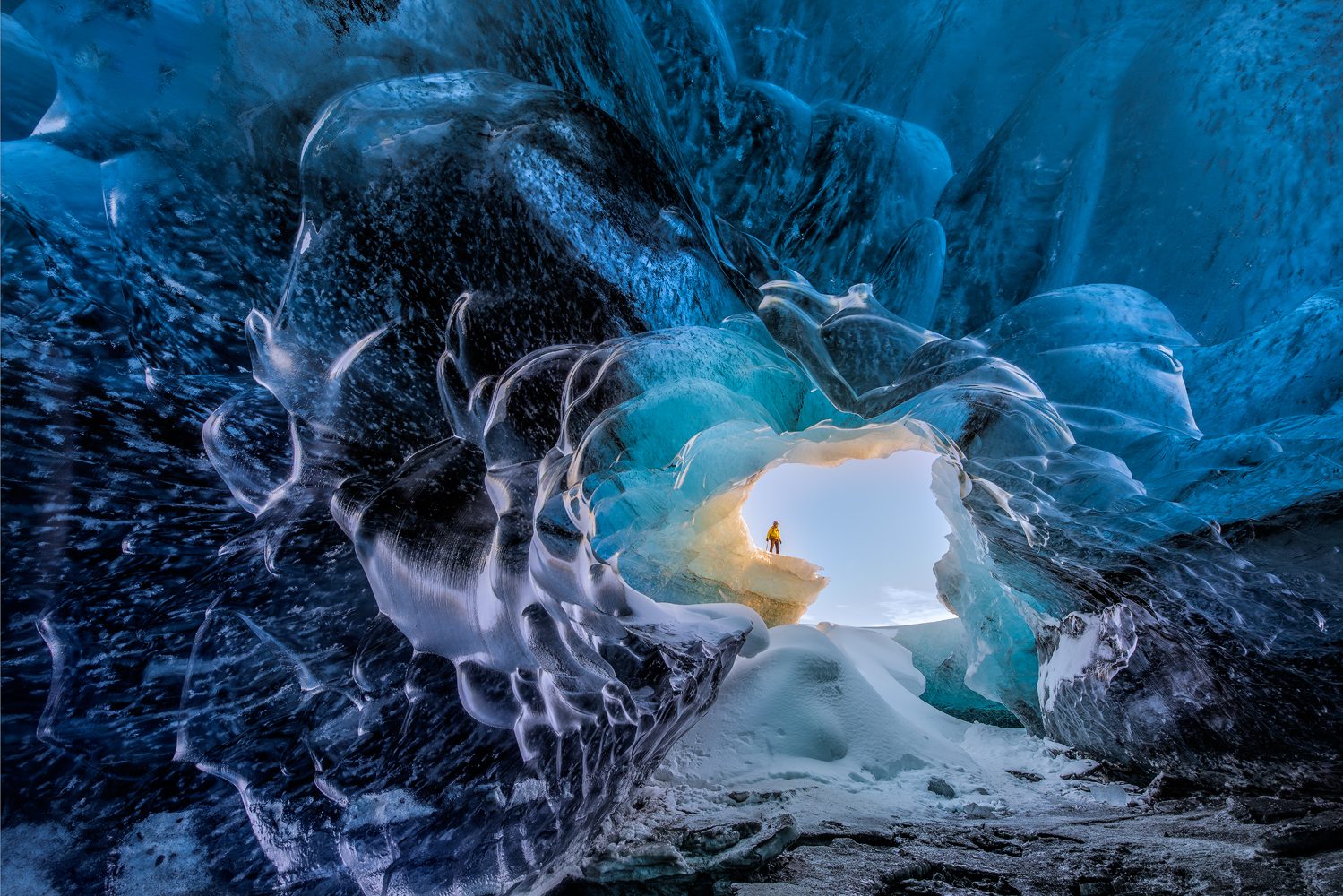
Guided expeditions to Vatnajökull's caves depart daily in winter from staging points near Jökulsárlón glacial lagoon, where icebergs the size of houses calve from Breiðamerkurjökull's terminus and drift toward the Atlantic. The 2015 opening of controlled-access cave routes brought 40,000 annual visitors to tunnels previously known only to research teams. Cave morphology shifts weekly as ice sublimates and new fissures open; no two expeditions enter identical structures. The ice itself, compressed at 0.9 tonnes per cubic metre, absorbs all wavelengths of visible light except blue, which scatters back through lattice crystals deformed under their own weight into the rippled, marbled textures that define Vatnajökull's subglacial architecture.
No two expeditions enter identical structures — the ice shifts weekly, opening new chambers as old tunnels collapse.
Wear multiple warm, windproof, and waterproof layers. Sturdy, waterproof hiking boots are mandatory for every ice cave tour iceland from reykjavik excursion.
Carry only necessary gear in a comfortable backpack. Security at the ice cave tour iceland from reykjavik trailheads is focused on environmental protection and hiker safety.
Commercial or drone photography in Vatnajökull National Park requires a specific permit. When on an ice cave tour iceland from reykjavik, respect fragile ice structures and refrain from leaving any footprints or gear behind.
Children are welcome on many tours, but age limits often apply to an ice cave tour iceland from reykjavik due to the technical nature of glacier trekking.
While the visitor centers offer accessible facilities, the natural terrain for an ice cave tour iceland from reykjavik is uneven, icy, and typically not suitable for wheelchair access.
Carry sufficient water and snacks, as services are limited near the ice cave tour iceland from reykjavik locations. Always pack out every piece of trash to preserve the wilderness.
Opening hours
09:00–18:00
Address
Vatnajökull National Park, 785 Öræfi, Iceland
Accessibility
Marked trails and visitor centers provide specific accessibility info.
Best arrival
09:00–12:00
Luggage
No public lockers available; store items in your vehicle or accommodation.
Website
https://www.vatnajokulsthjodgardur.is
Car · Bus · Seasonal bus services run from the capital to the south coast hubs during peak months.
Driving from the capital takes approximately 4.5 to 5 hours via Route 1.
Entry to the national park is 0 ISK. Guided tours for an ice cave tour iceland from reykjavik are subject to individual operator policies; please confirm refund windows with your specific booking provider.
Recommended time
12-14 hours
Planning an ice cave tour iceland from reykjavik requires a full-day commitment due to the significant travel distance to Vatnajökull National Park. Visitors often secure ice cave tour iceland from reykjavik tickets in advance to ensure transport logistics are handled, as navigating the glacier base independently is not feasible. By following the best arrival window of 09:00–12:00, guests maximize daylight hours and avoid the congestion that impacts this popular Reykjavik glacier tour during the afternoon. Budget for extra time if weather conditions affect the transit on the ring road, as safety remains the primary factor for all glacier explorations.
Crowd levels through the day
Weather · crowds · average price — dots go green to amber to red as each metric rises.
September offers cooler temperatures and fewer crowds than summer. It is a transitional period where daylight hours begin to shorten, ideal for photography.
Ice cave tour iceland from reykjavik availability is limited, so secure your spot weeks in advance.
785 Öræfi, Iceland
Main hub for regional glacier activities.
Get directionsVatnajökull, Europe's largest ice cap, began forming roughly 2,500 years ago during a climatic cooling period that followed the warmer mid-Holocene. The glacier sprawls across eight percent of Iceland's landmass, its ice reaching depths exceeding one kilometer in places. Beneath its frozen expanse lie active volcanic systems, including Grímsvötn and Bárðarbunga, which have shaped both the glacier's structure and Iceland's geological record. The interplay between fire and ice creates the natural ice caves that draw visitors today—meltwater channels carved by geothermal heat and summer runoff, then refrozen into translucent blue chambers each winter. Scientific exploration of Vatnajökull began in earnest during the late 19th century, when Danish and Icelandic surveyors mapped its extent and documented glacier tongues like Breiðamerkurjökull and Skaftafellsjökull. The 1996 eruption beneath Vatnajökull triggered a catastrophic jökulhlaup—a glacial outburst flood—that destroyed sections of the Ring Road and underscored the glacier's volatile nature. That event accelerated glaciological research and prompted the establishment of Vatnajökull National Park in 2008, unifying previously separate conservation areas under one mandate. The park now protects 14,141 square kilometers of glaciers, outwash plains, and volcanic highlands. Commercial ice cave tour Iceland from Reykjavik operations emerged in the early 2010s, following decades of adventure guiding on the glacier itself. Operators recognized that winter ice caves—reformed annually by meltwater dynamics—offered a rare spectacle accessible to non-technical visitors. Routes from Reykjavik to the glacier's southern edge became standardized, with most ice cave tour Iceland from Reykjavik tours departing to crystal caves near Jökulsárlón. Each cave's lifespan is finite; the same cavern visited one season may collapse or fill with meltwater the next. Guides scout new formations each autumn, adapting itineraries to the glacier's shifting architecture. Climate data since 1990 show Vatnajökull losing mass at accelerating rates, raising questions about the long-term viability of ice cave tourism and the glacier features themselves.
Vatnajökull ice cap begins forming during post-Holocene climatic cooling, eventually covering eight percent of Iceland.
Danish-Icelandic expeditions begin systematic mapping of Vatnajökull's outlet glaciers and volcanic subglacial systems.
Grímsvötn eruption beneath Vatnajökull triggers massive jökulhlaup flood, destroying infrastructure and accelerating scientific monitoring.
Vatnajökull National Park established, consolidating glacier and volcanic highland protection under unified management.
Commercial ice cave tours from Reykjavik launch, offering winter access to naturally formed blue ice chambers near Jökulsárlón.
Accelerated glacial retreat documented; operators adapt annually to shifting cave formations and meltwater patterns.
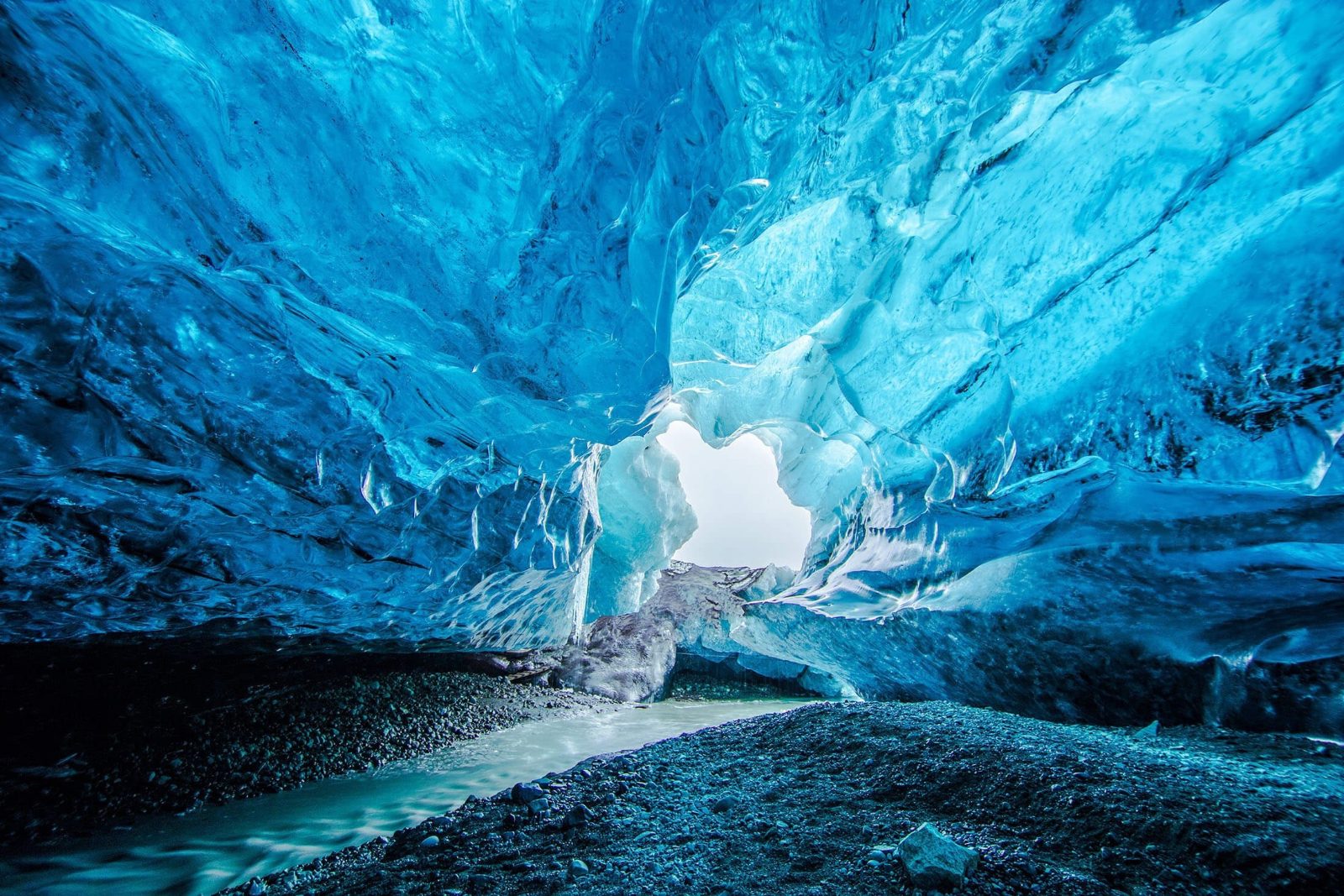
Position yourself at the deepest point of the blue ice chamber to capture the translucent cerulean walls reflecting overhead light. This is a common highlight of an ice cave tour iceland from reykjavik.
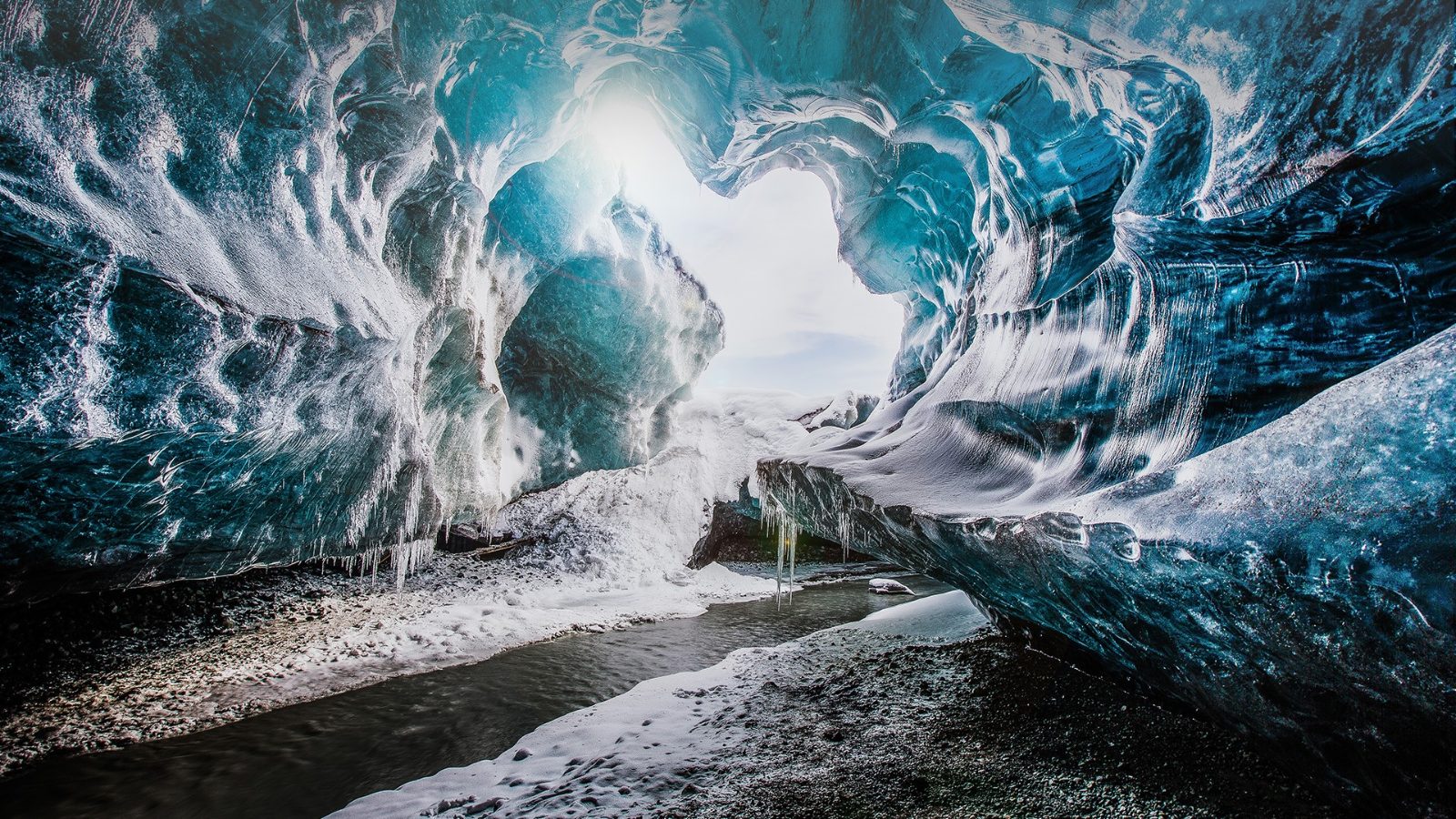
Stand on the edge of the carved riverbed within the cave to frame the contrast between dark volcanic ash layers and clear glacial ice. This composition provides excellent depth for ice cave tour iceland from reykjavik tours.
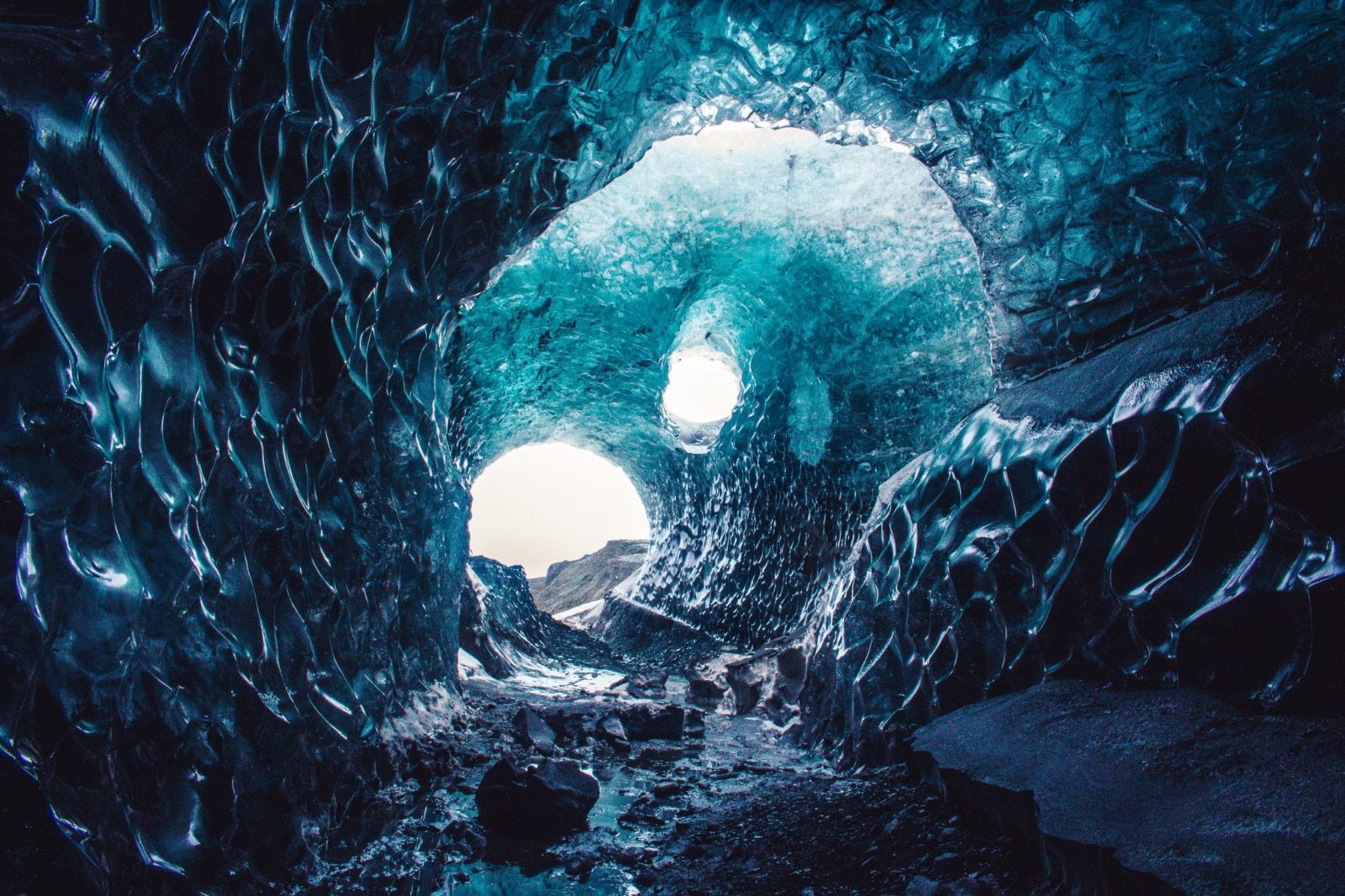
Frame the exit of the cave from the inside looking out toward the bright daylight to capture the silhouette of the glacier entrance. Many visitors capture this angle with their ice cave tour iceland from reykjavik tickets.
Focus on the distinct black sediment bands trapped within the frozen structure to illustrate the geological history of this Vatnajokull landmark. This detail is essential for your ice cave tour iceland from reykjavik tour photos.
Planning an ice cave tour iceland from reykjavik to Vatnajökull requires careful preparation for children due to the rugged glacial environment. The journey involves significant travel time, so focusing on comfort and gear will ensure a smoother experience for the family.
Strollers are not practical on the glacier ice or uneven terrain at the park; use a hiking carrier for younger children. This applies to your ice cave tour iceland from reykjavik tour planning.
Guided glacier excursions typically have minimum age requirements often set at 8 to 10 years old due to safety equipment and physical demands. Check the specific age policy for your ice cave tour iceland from reykjavik tickets before booking.
Vatnajökull National Park provides basic services at the visitor center, but baby-change facilities are limited in remote areas. Plan for these gaps when securing your ice cave tour iceland from reykjavik tours.
The best arrival window is 09:00–12:00 to avoid crowds and ensure enough time to navigate the glacier landscape safely. Arriving early helps families maintain a steady pace during their Vatnajökull glacier excursion.
Operators provide crampons and helmets, but you must bring sturdy, waterproof hiking boots for everyone in the group. Ensure your children are dressed in multiple warm, synthetic layers to handle changing weather conditions during this city-to-glacier trip.
Dining options are extremely limited near the remote Vatnajökull National Park, making it essential to plan ahead before your ice cave tour iceland from reykjavik. Because professional glacier guides often operate far from civilization, visitors should carry portable meals and water for the duration of these guided mountaineering expeditions.
Located in the nearby Hnappavellir area, this venue offers sit-down meals featuring local lamb and fresh fish. It is a popular stop for groups completing an ice cave tour iceland from reykjavik tour.
Everything you need to know for your journey
Natural ice caves are primarily accessible from November to March; summer temperatures make them unsafe. There is no official ice cave tour iceland from reykjavik that operates in the summer due to meltwater.
The national park itself has 0 ISK entrance fee. Private operators manage the pricing for each ice cave tour iceland from reykjavik separately.
While same-day bookings are rare, you can check with local operators at the Skaftafell Visitor Centre or online for last-minute openings.
Most operators have minimum age requirements for an ice cave tour iceland from reykjavik, often 8 to 12 years old, for safety reasons.
Book your ice cave tour iceland from reykjavik for the winter months between November and March for the most stable and impressive blue ice.
Yes, regional parking fees apply at popular sites like Skaftafell and Jökulsárlón, separate from any ice cave tour iceland from reykjavik cost.
Wear waterproof layers, thermal undergarments, and sturdy hiking boots for your ice cave tour iceland from reykjavik adventure.
Most excursions last between 3 to 6 hours, depending on the distance from the meeting point to the ice cave tour iceland from reykjavik site.
No, drone flight is strictly regulated and generally forbidden within the national park without a special permit.
Waterfalls framed by dark basalt columns.
High-end accommodation near the lagoon.
Join thousands of happy travelers who have discovered this incredible experience
Book Your Experience Now