

Quick answer
No, you cannot visit ice caves in Iceland on your own. Independent access to Vatnajökull's glacier ice caves is prohibited by law—all visitors must book a guided tour with a licensed operator. The caves form naturally in dynamic glacier ice, creating unstable conditions that change hourly. Certified guides assess structural integrity, monitor weather patterns, and carry specialized safety equipment required for glacier environments.
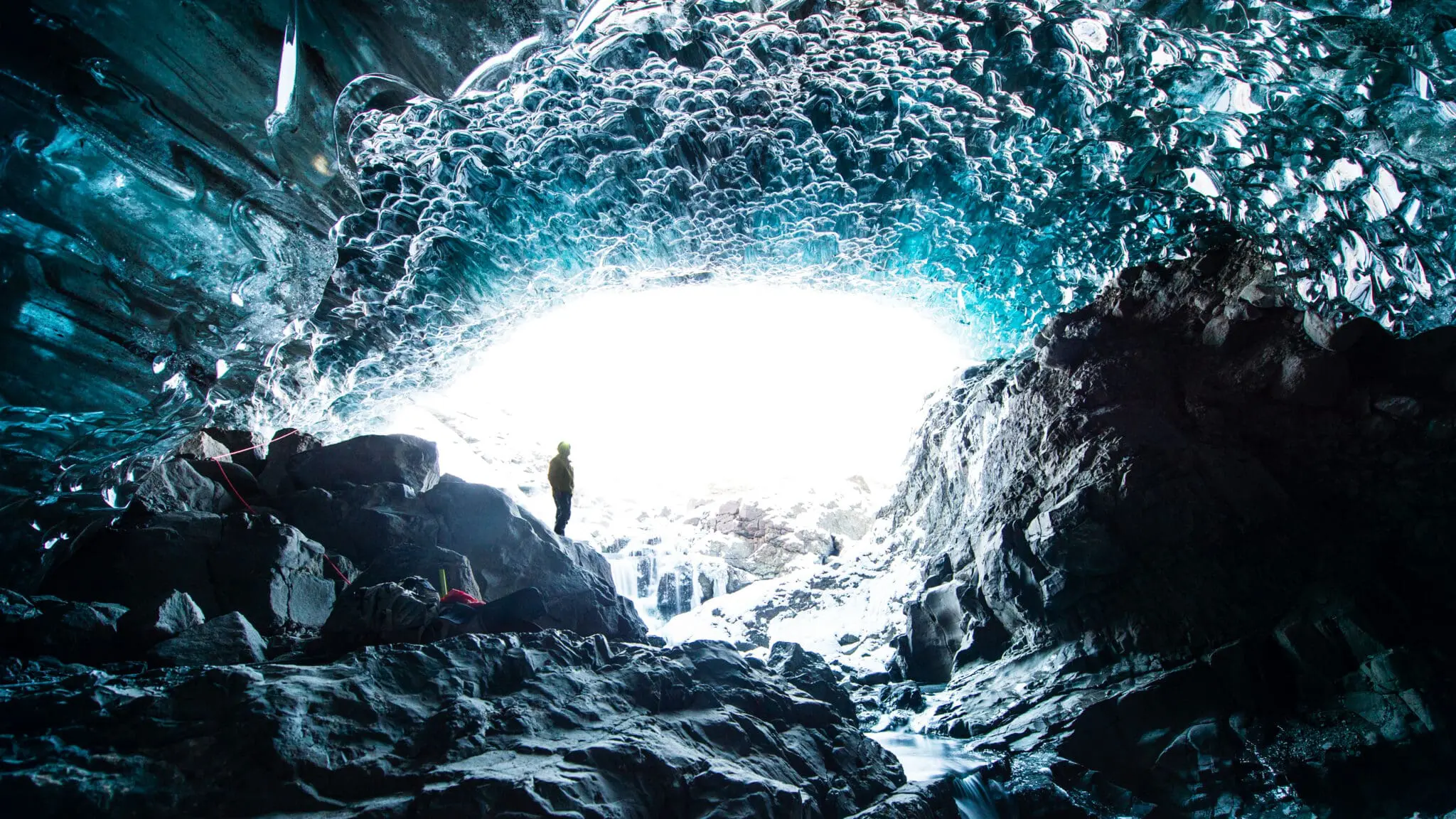
Iceland's ice caves exist in a state of constant transformation. Meltwater carves new chambers each summer, while winter freeze expands cracks into cathedral-sized vaults. The Crystal Cave beneath Vatnajökull, Iceland's largest ice cap, reforms annually in slightly different locations—what was safe passage in November may be a collapse risk by February. This volatility is why can you visit ice caves in iceland on your own receives a firm regulatory answer: independent glacier access is illegal within Vatnajökull National Park boundaries. The park service licenses tour operators who complete annual glacier safety certification, carry crevasse rescue gear, and file daily route reports. Guides probe ice thickness with specialized tools, identify stress fractures invisible to untrained eyes, and abort tours when conditions deteriorate. In 2025, seventeen scheduled tours were canceled mid-approach due to structural instability—decisions that prevented potential casualties. The prohibition extends beyond the cave interiors. Reaching the formations requires crossing active glacier terrain where hidden crevasses and ice falls present fatal risks. Tour groups travel roped together, equipped with crampons, helmets, and ice axes. Operators maintain radio contact with park rangers and monitor seismic data from the Icelandic Meteorological Office, which tracks glacier movement and volcanic activity beneath Vatnajökull's ice sheet. Self-guided glacier exploration carries penalties: fines start at 100,000 ISK, and rescue operations bill violators for helicopter deployment costs. More critically, unauthorized visitors endanger professional rescue teams. When a solo hiker disappeared near Breiðamerkurjökull in 2024, the three-day search diverted resources from other emergencies and exposed rescue personnel to avalanche zones during active snowfall. Iceland's ice cave access system prioritizes survival over spontaneity. The caves remain accessible—dozens of certified operators run daily departures from October through March—but only under supervision that matches the environment's lethality.
“What was safe passage in November may be a collapse risk by February—Iceland's ice caves reform annually in locations that shift with meltwater flow.”
When Can You Visit Ice Caves in Iceland on Your Own or Via Tour?
The optimal time to visit ice caves in Vatnajökull National Park is during the winter season, specifically from November through March, when stable temperatures allow for safe cave formation. Because independent access is prohibited, your visit timing must align with the operational schedule of authorized guided tours.
November to March
Moderate to High0°C to -10°C; cold and icy
This period offers the most stable glacier conditions for ice cave formation and access.
Early Morning Tours
Lower crowd density—
Starting the day with the first tour provides the best light for photography and clearer paths.
Mid-Season (January-February)
Highest-5°C to -15°C; winter storms frequent
These months provide the deepest blue ice, though weather can cause frequent tour cancellations.
Verdict: The best window for your visit is mid-winter, specifically January or February, departing on a weekday morning with a guided tour.
How Much Does It Cost if You Cannot Visit Ice Caves in Iceland on Your Own?
Vatnajökull National Park does not charge an entrance fee for the area. However, because independent access to ice caves is prohibited for safety reasons, all visitors must pay for mandatory guided tours.
While park entry is 0 ISK, visitors must pay for a guided tour, with prices varying based on the specific operator and tour duration selected.
Logistics for Those Who Cannot Visit Ice Caves in Iceland on Your Own
Vatnajökull National Park is located in South Iceland, primarily accessible via Route 1, the Ring Road. Because independent access to ice caves is prohibited, visitors must travel to designated meeting points coordinated by licensed tour operators.
Route 1 (Ring Road) to Jökulsárlón or Skaftafell
Strætó bus routes to Jökulsárlón or Skaftafell
Common Mistakes When Trying to Visit Ice Caves in Iceland on Your Own
Independent glacier access is prohibited in Vatnajökull National Park. Attempting to visit ice caves without a certified guide creates life-threatening risks that even experienced hikers underestimate.
Thinking you can hike to ice caves alone
Vatnajökull glaciers contain hidden crevasses beneath snow bridges that collapse without warning. Only certified guides carry equipment to detect and navigate these hazards safely.
Underestimating glacier surface conditions
Ice caves form in dynamic glacier environments where melt patterns shift daily. What appears solid can be metres-thin ice over voids, and structures collapse without visible warning signs.
Ignoring mandatory guided tour requirement
Park regulations prohibit independent glacier access—rangers enforce this with fines and evacuation. All ice cave access legally requires booking a guided tour with licensed operators.
Assuming summer hiking skills transfer to glaciers
Glacier travel demands crampons, ice axes, and crevasse rescue training that standard hiking experience does not provide. Surface conditions change hourly with temperature and weather.
Relying on online cave location coordinates
Ice caves are ephemeral—they melt, collapse, and reform each season in different locations. Coordinates from previous years lead to non-existent or unstable structures.
Check availability
Frequently Asked Questions: Visiting Vatnajökull Ice Caves
Everything you need to know about can you visit ice caves in iceland on your own