

Quick answer
For an ice cave tour Iceland what to wear includes a waterproof outer shell, insulated mid-layers, thermal base layers, waterproof hiking boots, warm gloves, and a wool hat. Tours provide helmets and crampons. Temperatures inside Vatnajökull's ice caves hover between -2°C and 2°C year-round, while exposed glacier approaches can drop to -15°C in winter. Cotton absorbs moisture and loses insulating properties—synthetic or merino wool fabrics are required.
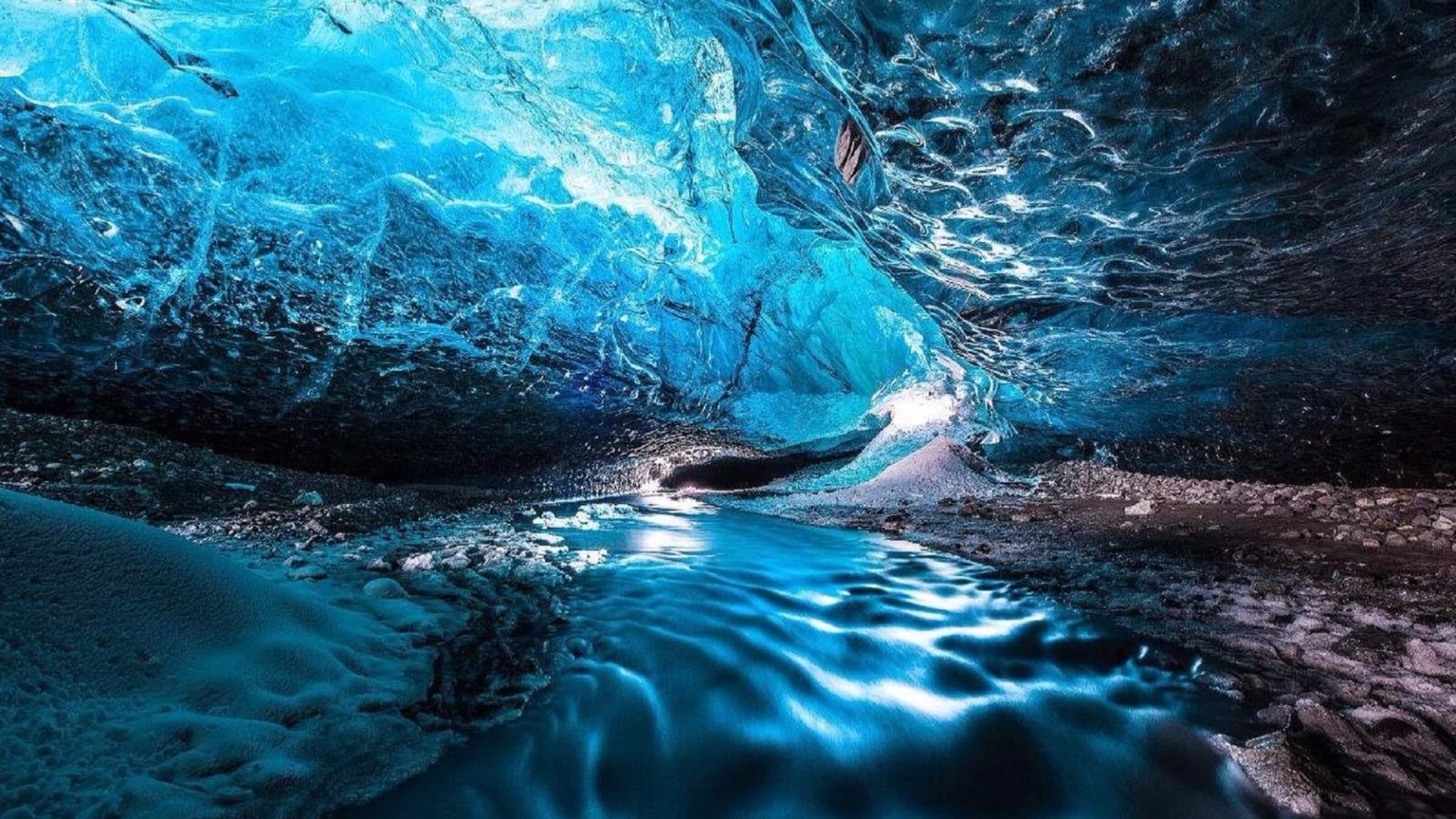
Vatnajökull's ice caves form at the terminus of outlet glaciers where meltwater carves tunnels through centuries-old ice, creating conditions that shift between soaking wet and bone-dry cold within meters. The clothing challenge is not simply staying warm but managing moisture from three sources: external meltwater dripping from cave ceilings, perspiration from the glacier hike to reach the entrance, and condensation that forms when warm breath meets sub-zero air inside narrow passages. The layering system begins with thermal base layers that wick moisture away from skin—merino wool or synthetic fabrics rated for temperatures below -10°C. The mid-layer provides insulation: a fleece or down jacket that can be removed if the glacier approach generates heat, then added back once you stop moving inside the cave. The outer shell must be fully waterproof with taped seams, not water-resistant, because meltwater pools form at cave entrances and drips continuously from ice formations. Tour operators at Vatnajökull require waterproof hiking boots with ankle support and lug soles for traction on uneven glacier surfaces before crampons are attached. Accessories determine whether the experience remains tolerable. Insulated waterproof gloves—not fleece, which soaks through—allow you to steady yourself against ice walls without numb fingers. A wool or fleece hat fits under the provided helmet. Sunglasses are mandatory for the glacier approach, where light reflects off ice fields with intensity that causes snow blindness within 30 minutes of unprotected exposure. A neck gaiter or balaclava shields exposed skin from wind chill during the walk to the cave. What to wear for glacier ice cave exploration also accounts for the tour vehicle—a modified super-jeep or truck with minimal heating—and post-tour conditions. Bringing a dry change of clothes for the return drive prevents hypothermia if outer layers become soaked. The temperature differential between the cave interior and the winter surface can exceed 10°C, meaning a clothing system that works in one environment fails in the other without adjustment. Most tours depart between 09:00 and 14:00 when daylight illuminates the ice formations, but wind chill on the glacier plateau remains severe regardless of sun angle.
“Vatnajökull's ice caves demand waterproofing against meltwater and insulation against sub-zero temperatures in a single clothing system.”
Essential Gear: Ice Cave Tour Iceland What To Wear
Glacier ice caves demand clothing that manages moisture and insulates even when damp. Cotton retains water and loses thermal protection, making synthetic or wool layers non-negotiable for safety.
Do
- Wear moisture-wicking base layers in merino wool or synthetic fabrics
- Layer insulating mid-layers that retain warmth when wet
- Bring waterproof outer shell with sealed seams for glacier spray
- Wear insulated hiking boots with ankle support and aggressive tread
- Pack extra gloves in case your first pair gets soaked
- Dress in layers you can adjust as exertion levels change
Don't
- Don't wear cotton clothing of any kind inside the cave
- Don't rely on fashion boots or sneakers for glacier terrain
- Don't overdress initially; exertion during the hike generates significant heat
- Don't forget spare socks in a waterproof bag
- Don't wear jewelry or accessories that can snag on ice formations
- Don't assume tour-provided crampons eliminate the need for proper footwear
Packing Checklist For An Ice Cave Tour Iceland What To Wear
Pack technical gear suited to sub-zero glacier environments and shifting ice conditions.
-
Wear moisture-wicking base layers — They regulate body temperature and prevent sweat from chilling you inside the cave.
-
Bring a waterproof outer shell jacket — Ice caves drip meltwater, and weather above the glacier changes fast.
-
Pack insulated, waterproof hiking boots — Crampons attach to these; ankle support is essential on uneven ice terrain.
-
Include insulated gloves and a warm hat — Extremities lose heat quickly in temperatures that hover near freezing.
-
Carry a small backpack for layers — You'll strip or add clothing as exertion levels change during the hike in.
-
Wear wool or synthetic socks — Cotton traps moisture and increases frostbite risk in cold, wet conditions.
Vatnajökull National Park Operational Hours For Your Ice Cave Tour
Vatnajökull National Park operates on a continuous schedule to accommodate visitors throughout the year. The visitor center and surrounding area remain accessible seven days a week.
| Monday | 00:00–23:59 | |
|---|---|---|
| Tuesday | 00:00–23:59 | |
| Wednesday | 00:00–23:59 | |
| Thursday | 00:00–23:59 | |
| Friday | 00:00–23:59 | |
| Saturday | 00:00–23:59 | |
| Sunday | 00:00–23:59 |
Entrance Fees And Costs Related To Ice Cave Tour Iceland
Access to Vatnajökull National Park is provided at no charge to visitors. Please note that parking fees are applicable at certain locations within the park.
Adults pay 0 ISK for park entry, with final costs determined solely by individual parking requirements at specific sites.
Check availability
Frequently Asked Questions: Vatnajökull Ice Cave Gear
Everything you need to know about ice cave tour iceland what to wear